 I was asked what the single biggest problem of implementing Nuclear Energy in Utah is. The answer: skepticism. Skepticism of Nuclear Energy by the majority of people.
Skepticism is not in itself a bad thing. It is good in a great many things. Without doubt a great many scientific discoveries and advances could not be made. It is only when this skepticism is uninformed that is becomes a problem and in the case of Nuclear Energy is has become a case of public skepticism and consent that it won't work by so many people that few people even consider it a viable energy solution even though they lack many of the facts regarding Nuclear Energy.
Why does this skepticism exist? For various reasons. These include the medias common derision of Nuclear Energy, a few terrible accidents such as Chernobyl, Fukushima, and 3-Mile Island, and problems in dealing with Nuclear Waste.
I will honestly say that I am really annoyed when all of these are used to completely disregard the use of Nuclear Energy as a whole.
Nuclear Energy is often ridiculed by people seeking for an easy way out. They do this because they do not understand what they are talking about and so instead take an easy way out by just spouting something that "everybody knows" and that people will find funny while being derisive towards Nuclear Energy.
This is a futile effort to avoid learning what they fear they will find if they start researching. And that's if it's not because they're too lazy to actually research the information in the first place. A question I often ask myself when hearing contrary arguments is: "Would I be willing to spend my time on this as a full explanation?" If the answer is no because I would break into tears from either boredom, stupidity, or because it's slightly funny but utterly illogical: then it's a waste of time. If the answer is yes then it at least deserves some of my time and effort in thinking about it.
I could go through Chernobyl and explain all of the multitude of dumb things that occurred there, but the Wikipedia page does a much better job than ever I could. I will suffice to say, that Chernobyl happened due to an intent on performing an unwarranted experiment that they didn't follow the plan for anyway. This was the Soviet Union and the experiment wasn't warranted! That should tell you something about it already. Then, a variety of things happened. A notable occurrence was how the Soviet Union did not inform anyone else about the disaster until a Nuclear Power Plant in Sweden received insane radiation amounts that probably freaked the workers out there for a minute.
Had the Soviet Union access to appropriate Nuclear Disaster Response Agencies, the scale of this disaster would have been drastically decreased. In a response to a scientific article on Nuclear Disasters and lessons learned from them, John F. Ahearne a member of the NRC stated much the same thing when he said there was a "necessity to develop coordinated government/industry response procedures and [a] willingness to address the severe accident analyses..." or else, "close the plants.".
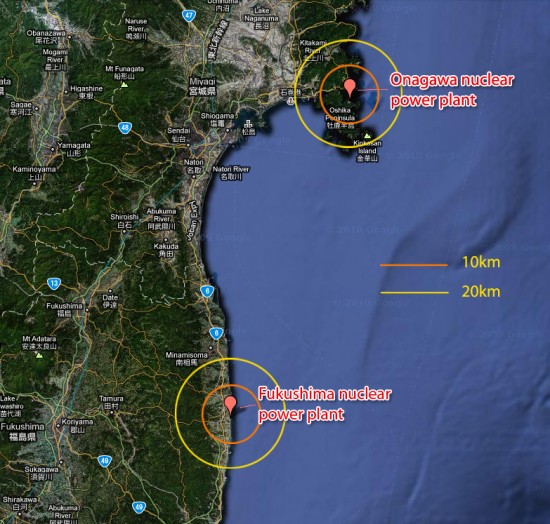
Also in this article John F. Ahearne points to the Onagawa Nuclear Power Plant which was located close by to Fukushima and which suffered little if any of the consequences that the Fukushima Power Plant suffered, despite the closeness of the plants, due to a well constructed seawall for the area the disaster occurred in and proper shut-down techniques.
Once again, 3-mile Island was due to poorly trained personnel leading to a computer reading error that was largely stupidity that would likely not occur with today's computers.
Another funny thing in this area of criticism is that I at least have never heard of a Nuclear Reactor problem on any of the ships in our navy. Properly trained personnel is what I'm accrediting that success to. This would lead to proper response abilities and low likely hood of something going wrong in the first place.
I have already dealt with the problem of Nuclear Waste and that can be viewed elsewhere in this blog. I'll give you a hint: it's got a lot to do with Reprocessing. You can reach my Nuclear Waste post by clicking here.
Hopefully spreading the information provided here will help people to research and come to their own educated conclusions regarding Nuclear Energy. I know it's helped me, and I know what conclusion I have reached. Namely that Nuclear Energy should be used much more than it is currently with proper techniques.
Thank you once again for reading.
_________________________________________________________________________________
Sources:
Samet, Jonathan M.Ahearne, John F. "Lessons From Nuclear Disasters." Issues In Science & Technology 28.4 (2012): 17-18. Professional Development Collection.
http://en.wikipedia.org/wiki/Onagawa_Nuclear_Power_Plant
http://en.wikipedia.org/wiki/Chernobyl_disaster
http://en.wikipedia.org/wiki/Three_Mile_Island_accident
http://nuclearenergyforutah.blogspot.com/2012/12/nuclear-waste-disposal.html
______________________________________________________________________________________________________

No comments:
Post a Comment